This is the comparison, laid out plainly. We are not naming a competitor. Everything in the right column is a general, documented description of how mass-produced candles are commonly made, not a claim about any one brand.
| Fender Farmhouse Candle Co. | A typical store candle | |
|---|---|---|
| Wax | Soy wax, poured in Tennessee | Paraffin, a petroleum refining byproduct |
| Wick | Braided cotton, dipped in soy wax, with no zinc or wood core | Varies by maker and by candle |
| Fragrance | Fragrance oils, every scent named on its product page | Commonly listed only as “fragrance,” contents undisclosed |
| Where it’s made | Poured by hand in Bethpage, Tennessee | Typically mass-produced, often overseas |
| Batch size | Small batches, by the family that owns the company | Production runs in the thousands |
| What you can find out | Every ingredient, on our ingredient standards page | Usually the scent name and the burn time |
Why “fragrance” is the row that matters most
Wax and wick are easy to check. Fragrance is where the information stops for most brands, and it is the one you inhale for forty hours.
Under current labeling practice, a manufacturer can put the single word “fragrance” on a label and disclose nothing further. That is legal and extremely common. It is also the reason two candles with the same soy wax and the same wick can still be very different products.
If a brand will not tell you what is in the fragrance, that is your answer.
See it in person
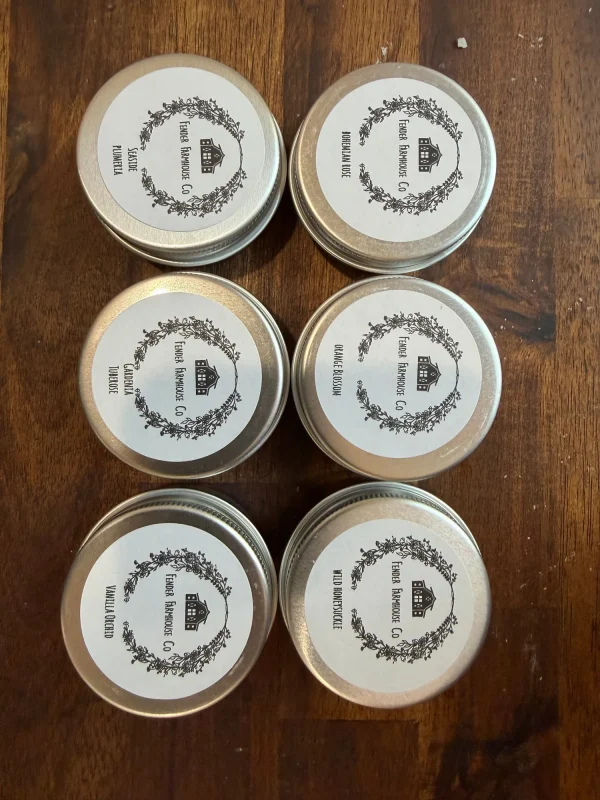
Six shops across Sumner and Robertson County carry our candles, so you can smell before you buy.
See our stockistsSoy
Not petroleum
Small Batch
Not production runs
Named
Not just fragrance